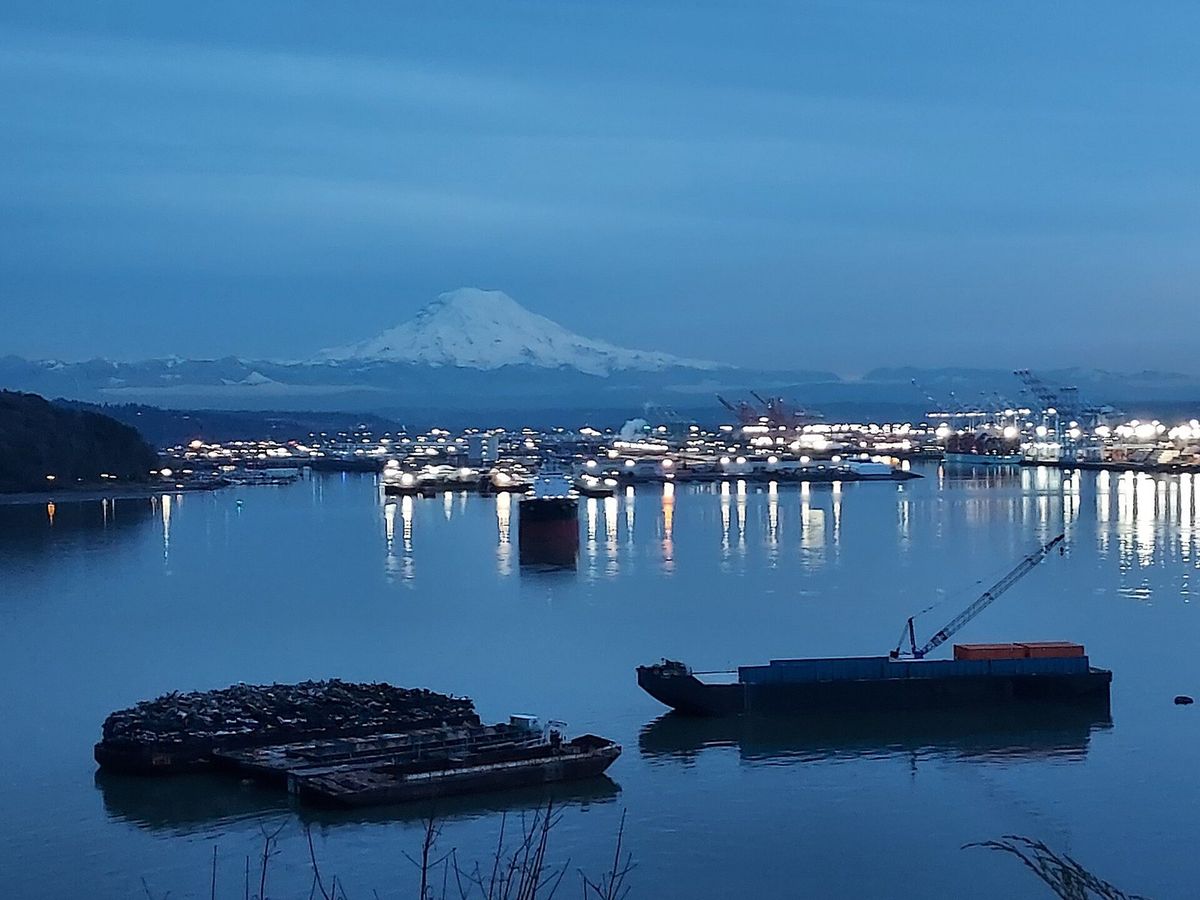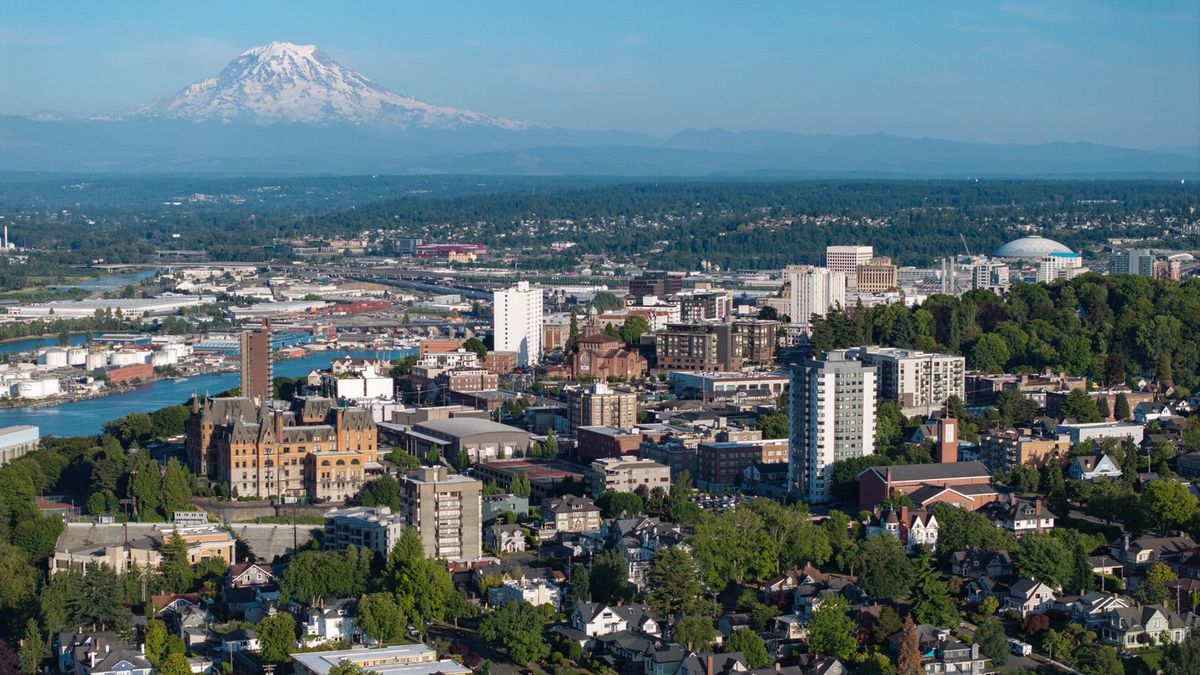
North End, Proctor, Old Town and the Stadium District
Tacoma's grandest old housing, 1890s to 1930s, with plank subfloors, original fir under carpet, full basements and the groundwater that comes with the slope above the bay. New floating floors start with a plywood underlayment layer over the planks, a vapor barrier and careful transitions through rooms that were never open to one another. Basements get vinyl plank after a slab test.
Hilltop, Central and the Lincoln District
Craftsman bungalows, early apartment buildings and a wave of new townhouses and small multi-unit buildings. Rentals are a large share of the work; townhouses have long open runs that need expansion breaks placed well.
South Tacoma, Fern Hill and Oakland
Post-war ramblers and split-levels on crawl spaces with carpet over plywood, the most straightforward installs in the city once the crawl space moisture check passes. Manufactured homes toward the county line get subfloor repair and vinyl plank.
Eastside, McKinley Hill and Northeast Tacoma
A mix of older houses and newer subdivisions, with Northeast Tacoma's and Browns Point's view homes having large daylight lower levels where vinyl plank is the standard floor.
Ruston, the West End and the Narrows
Mid-century to modern houses, many remodeled, with the open-plan flooring projects and the stairs that come with two-story view homes.
When you call
Say the neighborhood, roughly how many square feet, what is on the floor now and whether there are stairs or a basement. You get a call back to book a free measure, the installer's name and L&I registration number, and a written quote before anything is ordered.