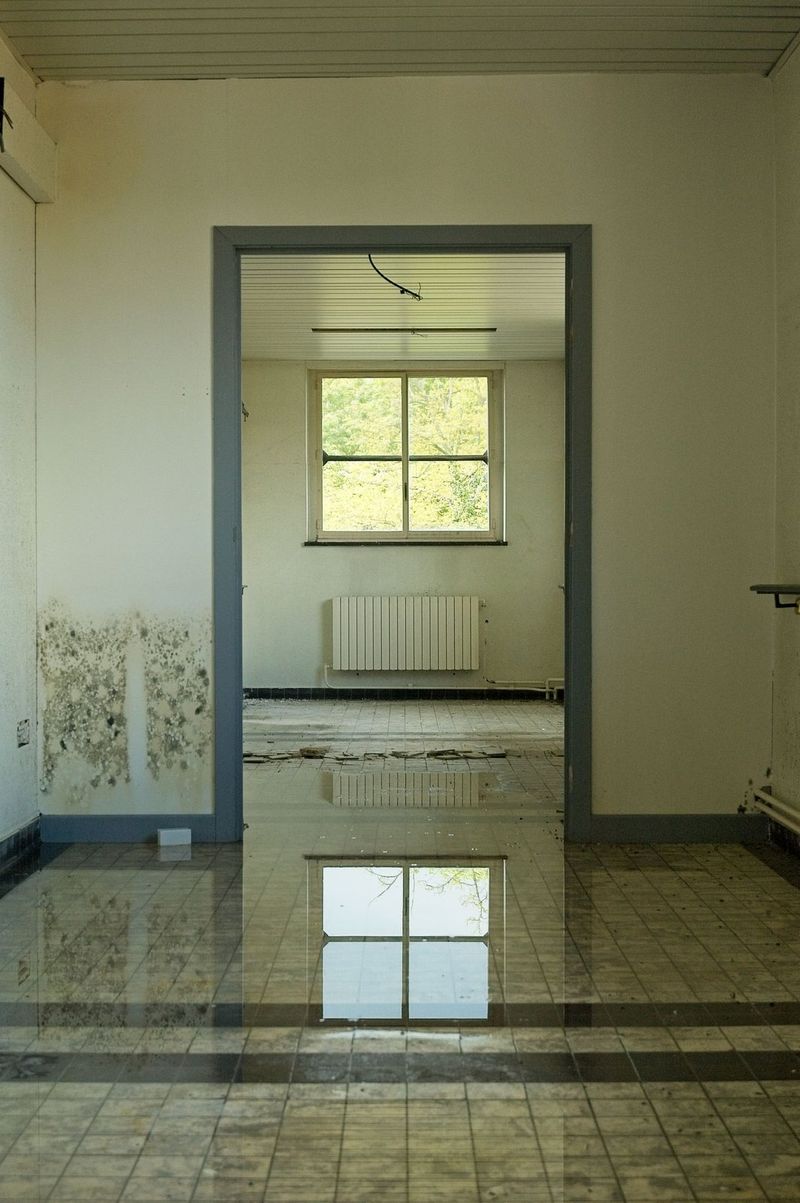
Dry, scope, install
Flooring laid over a subfloor still above its dry standard traps moisture, grows mold and fails again. The installer waits for the drying contractor's final readings and re-meters on install day. Crawl space losses, the most common in Pierce County, mean the crawl space is handled before new floor goes over it.
The scope, in the carrier's format
Insurers review estimates in Xactimate, and the flooring scope is written in it: removal and disposal by square foot, underlayment, the new product with waste, baseboard detach and reset by linear foot, transitions, appliance pulls and resets, subfloor repair where the water reached it. It drops straight into the claim alongside the mitigation estimate.
Matching
If the wet room's floor continues into other rooms, replacing only the wet area leaves a visible line or no match at all for discontinued products. Washington policies vary on matching; the installer documents continuity, availability and the practical options so the adjuster has what they need.
Like kind and quality, or an upgrade
The claim replaces what was there with an equivalent. You can choose better and pay the difference, shown separately on the quote.
Subfloor and framing
Swollen OSB, delaminated plywood, crumbled particle board and wet joists are documented by the mitigation crew and repaired as part of the claim before the floor is installed, in sequence rather than twice.
What we need from you
Your claim number and adjuster contact, the drying report when complete, and your product choice. The installer provides the scope, matching documentation, photos and final invoice in the format the claim needs. Whether the flooring is covered depends on the cause of the water loss, which your insurer decides under your policy; the deductible applies as written.