Free in-home measure and written quote · Tacoma, Pierce County & the South SoundFree in-home estimates · Tacoma & Pierce County Call or text (844) 543-5757·info@helpmenow.com
TacomaFlooring Installers
(844) 543-5757
Below grade

Basement and below-grade flooring

Call me right now

Need new floors? Request a local installer

Free · No obligation · You choose who to hire

Handled by HelpMeNow.com, a Help Me Now Inc service. The installer who calls you is an independent Washington-registered contractor.

Tacoma's North End basements, the daylight lower levels in University Place and Lakewood and every garage conversion in the county share a floor: concrete that is rarely flat and never fully dry. The right floor over it is chosen and installed with that in mind.

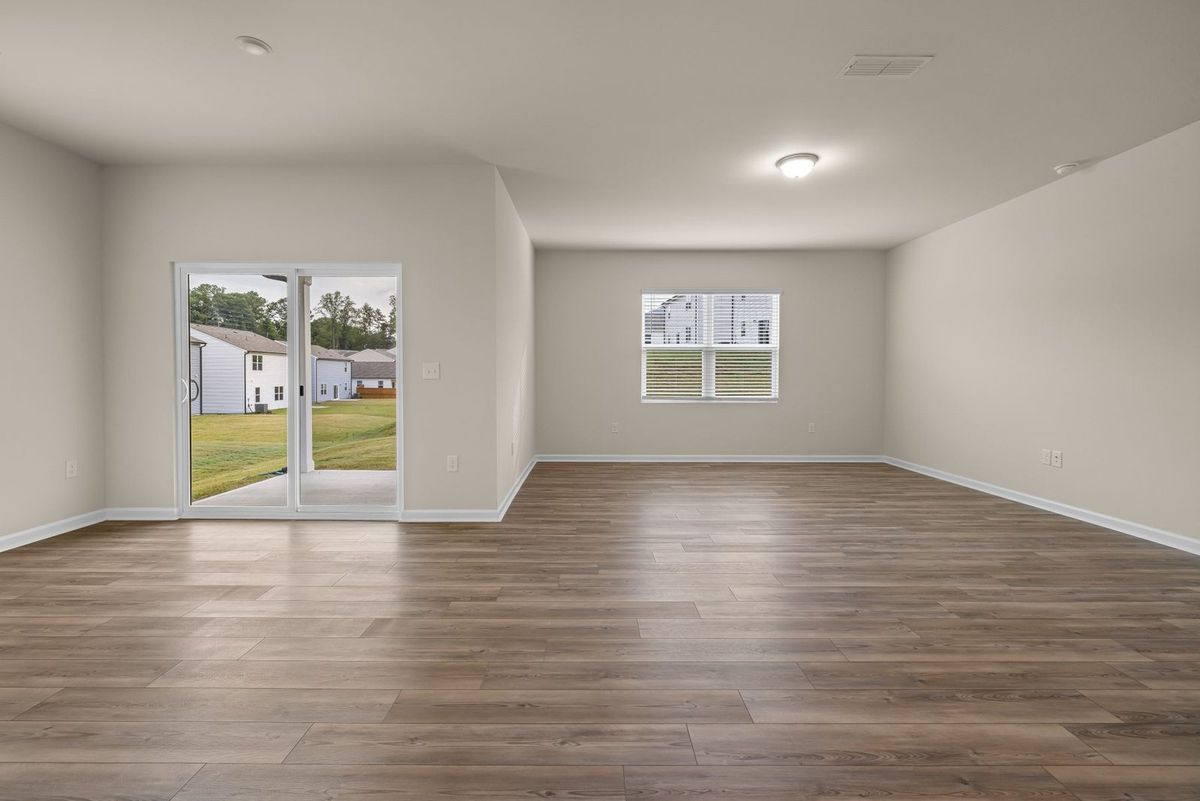
An empty room with new vinyl plank flooring
Waterproof plank over a tested slab.

Why basements are different

Concrete wicks moisture from the ground continuously, and below-grade rooms sit in cool, damp soil with little air exchange. A floor laid directly on a slab without a vapor barrier takes on that moisture; laminate swells, carpet pad molds, and glued products release. Tacoma's North End basements are a century old; Lakewood's and University Place's daylight lower levels were finished decades after they were poured; garage slabs were never meant to be lived on.

The right floor

Rigid-core vinyl plank over a vapor barrier is the standard. It is waterproof, stable in humidity, softer and warmer than tile, and floats so it can be lifted if the worst happens. Loose-lay vinyl is an option where occasional moisture is still possible. Laminate is avoided below grade; carpet is the most vulnerable choice there is.

Testing the slab

Products specify a maximum slab moisture level and a test method, either calcium chloride or in-slab relative humidity probes. Installers run the test the product requires and look for efflorescence, staining and past water lines. Below the limit, the floor goes in over a vapor barrier. Above it, a moisture mitigation coating on the slab or addressing the water source comes first, and the installer tells you plainly.

Leveling

Slabs are rarely flat. High spots are ground, low spots and cracks filled with self-leveling compound, and garage slabs that slope toward the door are built up. Flatness within the product's tolerance is what keeps the click joints locked and the floor quiet.

Vapor barrier and underlayment

Six-mil polyethylene taped at every seam and turned up the wall behind the baseboard, then the underlayment the product specifies, or a combined vapor-barrier underlayment where the manufacturer allows it. The small cost that makes the floor last.

Stairs and transitions

Basement stairs get matching nosings; the transition at the top of the stairs to the main-floor material and any slab-to-wood changes are planned so heights work and the floor can move.

On the quote

Slab testing, mitigation if required, leveling as measured, vapor barrier and underlayment, the product by name, transitions, stairs, trim and labor, approved in writing before anything is ordered.

What to expect

How a basement floor goes in

Moisture test the slab

Calcium chloride or in-slab relative humidity testing, as the product requires, plus a visual check for efflorescence, staining and past water entry.

At the measure

Address what the test finds

Readings below the product's limit go ahead with a vapor barrier. Above it, a moisture mitigation coating or fixing the water source comes first.

Before install

Level and clean

High spots ground, low spots and cracks filled with leveling compound, slab swept and vacuumed.

Install day, morning

Vapor barrier and underlayment

Six-mil polyethylene taped at the seams and up the walls, then the underlayment the product specifies.

Install day

Float the floor

Rigid-core vinyl plank floated with expansion gaps, transitions at the stairs and any slab-to-wood changes, trim reset.

1 to 2 days
FAQ

Questions homeowners ask us

Can I put laminate in a basement?

Generally not recommended. Below-grade humidity and slab moisture swell laminate cores over time even with a vapor barrier. Rigid-core vinyl plank is the standard basement floor because it is waterproof and stable, and it is warmer and quieter than tile.

My basement gets a little water in heavy rain. Can I still floor it?

Fix the water first. Any floor laid over a slab that takes on water will fail and hide mold underneath. Once drainage is handled and the slab tests dry, vinyl plank over a vapor barrier is the floor; if occasional moisture is still possible, a loose-lay or floating vinyl that can be lifted and dried is worth discussing.

What about a garage conversion or an ADU on a slab?

Same approach: test the slab, level it, vapor barrier, vinyl plank. Garage slabs often slope toward the door and need more leveling than a basement slab, which the measure identifies.

Does the basement need to be heated before install?

The space should be at normal living temperature for acclimation and install, which also brings the slab closer to its in-service moisture state for testing. An unheated basement in January gives misleading readings.

Open now

Book a free in-home measure

A Washington-registered flooring installer measures, answers your questions and sends a written quote. Install dates are usually within a couple of weeks of approval.

Call now(844) 543-5757
Send us photos

Show us what happened

Add a few photos, tell us where you are and a dispatcher looks at them right away, then calls or texts you back.