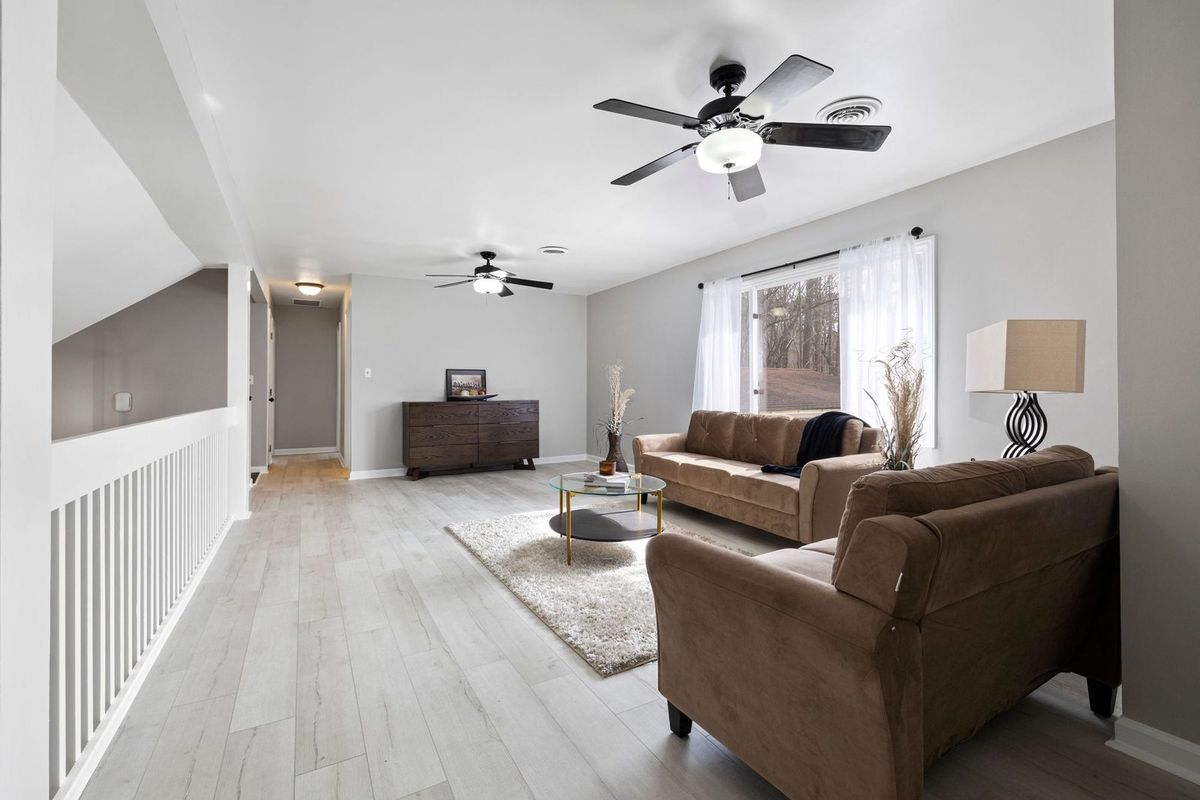
The ranking
For a house with dogs in Pierce County, where the floor sees wet paws from October to May:
- Rigid-core luxury vinyl plank (SPC or WPC), 20-mil wear layer. Waterproof through and through, scratch-resistant, quiet, warm underfoot, textured for traction. The default answer for most households.
- Waterproof-core laminate, AC4 or AC5. Harder surface than vinyl, so it resists deep gouges better; the best modern cores resist water for days, not minutes. Louder underfoot unless the underlayment is good.
- Porcelain tile. Indestructible and easy to disinfect; cold, hard on older dogs' joints, slippery when glossy, and grout needs sealing. Best for mudrooms and dog-wash areas.
- Engineered hardwood with a thick, matte, textured finish. Real wood for people who want it; scratches and water are managed, not eliminated.
- Solid hardwood. Beautiful and refinishable, which is the point: it will scratch, and every few years you can sand it. Not for the room with the water bowl.
- Carpet. Soft and quiet, and the floor accidents and wet paws ruin first. Fine for bedrooms with a well-trained dog; everywhere else, it loses.
What each one gets right and wrong
Rigid-core vinyl plank
Scratches: the wear layer, a clear urethane coating measured in mils, is what resists claws. Twelve mils is a rental grade; twenty mils is the standard for dogs; some commercial lines go higher. Textured, matte surfaces hide what does get through.
Water and accidents: the plank itself is plastic and stone dust; nothing in it swells. The joints are the only path, and a good click lock with a sealed perimeter keeps liquid on top long enough to wipe up. This is the floor for the kitchen, the entry, the mudroom and the room where the dog sleeps.
Noise and comfort: quieter and warmer than tile or laminate, especially with an attached or separate acoustic pad. Claws click less.
Traction: choose embossed, low-gloss products. Glossy vinyl is as slick as any floor.
Watch for: sunlight. Vinyl can fade or expand in a south-facing room with no blinds; look for a product rated for UV and leave the expansion gap the manufacturer specifies. See pet-proof and waterproof flooring and vinyl plank flooring in Tacoma.
Laminate (AC4 and up)
Scratches: laminate's aluminum-oxide surface is harder than vinyl's wear layer, so it shrugs off dragged chairs and big-dog claws a little better. AC4 is the minimum for a dog household; AC5 for multiple large dogs.
Water and accidents: the traditional weakness. Standard high-density fiberboard cores swell at the joints when water sits. The newer waterproof-core laminates hold up for a day or more against standing water, which covers nearly every real-life accident if it is cleaned up when found. For the mudroom or a puppy, vinyl is still the safer call.
Noise: harder and hollower than vinyl. A quality underlayment with a sound rating makes a real difference, and so does the subfloor underneath; the underlayment and sound guide covers both.
Traction: again, embossed and matte. See laminate flooring in Tacoma for product grades.
Porcelain tile
Scratch-proof for practical purposes, waterproof, and the easiest floor to disinfect after an accident. The costs are comfort and traction: tile is cold, unforgiving on an older dog's hips, and slick when wet unless you choose a textured finish with a slip rating. Grout needs sealing or it stains and holds odor. In a Tacoma house, tile earns its place at the back door, in the laundry room and wherever you rinse muddy paws.
Engineered hardwood
If you want wood with dogs, engineered is the realistic version: a real wood face over a stable plywood core, with a factory finish tougher than most site-applied ones. Choose a hard species (white oak, hickory, maple), a wire-brushed or hand-scraped texture that hides marks, a matte finish, and a thick enough wear layer to be refinished once. It still scratches, and standing water still gets into joints. Keep it out of the kitchen and the entry, and plan on area rugs where the dog lands off the couch.
Solid hardwood
The argument for solid wood with dogs is that it is the only floor you can erase: sand it and it is new again. The argument against is everything in between the sandings. In a dog house it belongs in living and dining rooms, never in the kitchen, mudroom or bath, and it needs the same hard species and matte, textured finish as engineered.
Carpet
Soft on joints and quiet, which older dogs appreciate. Everything else about carpet and dogs is a losing battle: accidents reach the pad, hair weaves into the pile, and wet paws from the yard end up in the fibers. If you keep carpet, keep it in bedrooms and choose a solution-dyed nylon or triexta with a moisture-barrier pad.
The install details that matter more than the product
Traction at the transitions. Dogs slip at the change from carpet to hard floor and at the top of stairs. Matching stair nosings and low-profile transitions keep the footing consistent.
Seal the perimeter in wet rooms. A bead of sealant in the expansion gap under the baseboard at exterior doors, around the dog bowl area and in the laundry keeps water from getting under a floating floor at the one place it can.
Mind the dog door. The threshold under a dog door sees more water than anywhere else in the house; it needs a sealed transition, not a plank joint.
Underlayment for noise. Nails on a floating floor over a hollow subfloor sound like a drum solo. An acoustic underlayment, or a product with an attached pad, is the difference between hearing every step and not.
Subfloor first. Wet paws and spilled bowls over years find any gap. A flat, dry, moisture-tested subfloor, covered in moisture testing before flooring, is what keeps a dog-proof floor dog-proof.
What it costs
Installed, for planning in Pierce County: mid-grade rigid-core vinyl plank and AC4 laminate land in a similar range per square foot; porcelain tile costs noticeably more to install because of labor; engineered hardwood sits above both; solid hardwood is highest. The cost guide has the line items. Removal of old carpet is quick and cheap, which is often the first step in a dog house anyway.
Call or text (844) 543-5757 with a photo of the room and a note about the dog. You will get a straight recommendation, product grades to look at, and a free in-home measure with a written, itemized quote.